Home Help: Keeping Seniors Safe and In Control
Home care serves as an essential help for seniors, permitting them to live safely and independently in their own homes. By providing tailored assistance, it addresses vital daily activities and health management. This approach not only reduces risks but also fosters a sense of autonomy and comfort. However, the landscape of home care is diverse, consisting of various services that can be tailored refer to resource to fit individual needs. What are the specific options available, and how can they make a difference?
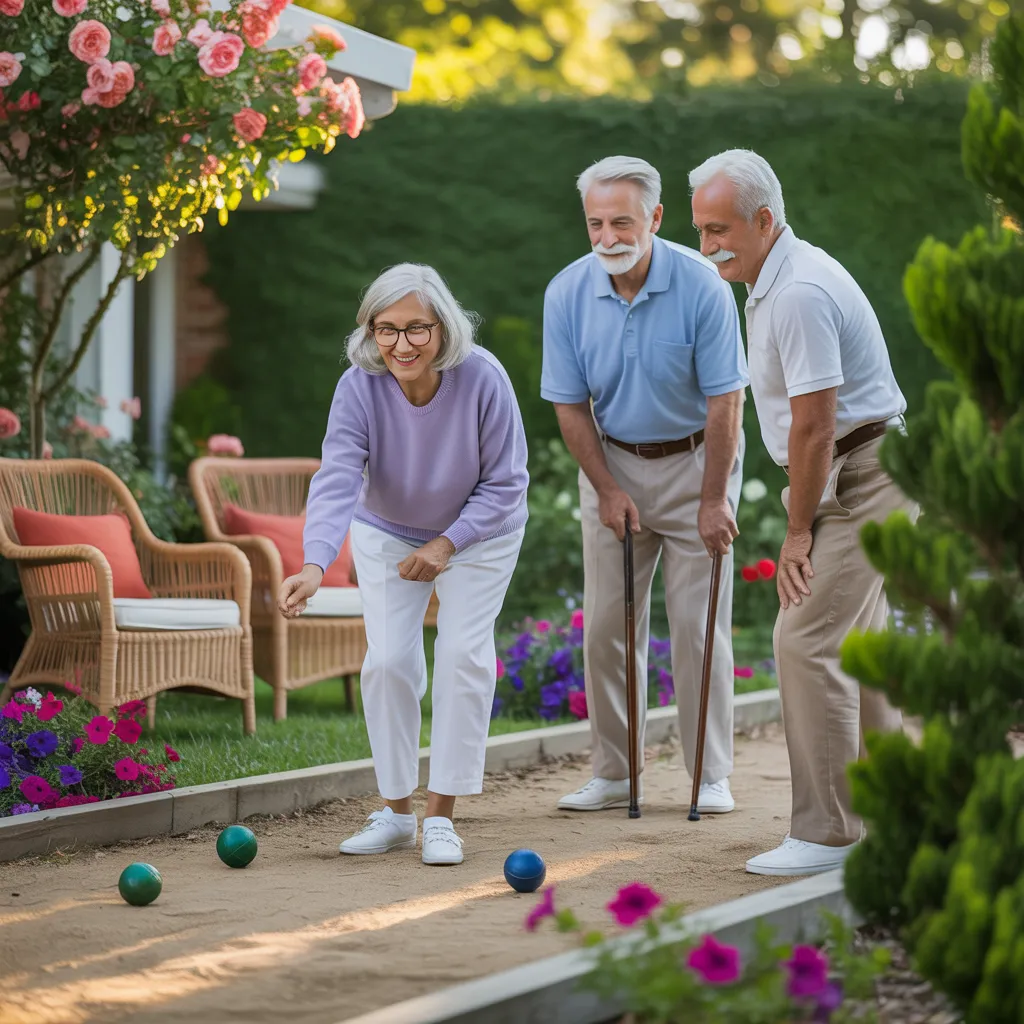
Ways Home Care Ensures Elderly Secure and Self-Reliant
Home care is a important component of helping seniors keep safety and independence within their own homes. By providing personalized support based on individual needs, home care services empower seniors to conduct daily tasks with confidence. Trained caregivers assist with key activities such as medication management, meal preparation, and personal hygiene, reducing the chance of accidents and health complications.
Furthermore, home care provides a familiar environment, helping seniors to excel in a place where they feel secure. This comfort can mitigate feelings of isolation and enhance mental well-being. Home care professionals also monitor changes in health status, ensuring timely interventions when needed. The presence of a caregiver can deter potential hazards, such as falls or unsafe living conditions, further increasing safety. Ultimately, home care enables seniors to live with dignity while receiving the support they need to remain in control of their lives.
What are the various categories of Home Care Services?
What categories of home care services are available to support seniors in their daily lives? Various options cater to the diverse needs of older adults. Personal care services help with daily tasks such as bathing, grooming, and dressing, ensuring seniors keep their hygiene and comfort. Home health care addresses medical needs by providing skilled nursing and therapy services to manage chronic conditions or facilitate recovery from illness.
Companionship services offer comfort and social engagement, combating loneliness. Additionally, homemaker services help with household chores like meal preparation, cleaning, and laundry, supporting a safe living environment. Transportation services enable seniors to attend appointments or social events, fostering independence. Finally, respite care offers temporary relief for primary caregivers, granting them essential breaks. Collectively, these services form an extensive support system tailored to improve the quality of life for seniors while supporting their independence.
The benefit of company in home care
Companionship holds an important role in the entire well-being of seniors having home care. Social interaction greatly impacts emotional health, decreasing feelings of loneliness and depression. When caregivers give companionship, they nurture trust and encourage communication, allowing seniors to express their needs and concerns more freely.
Moreover, having a comrade can enhance brain performance through meaningful communication and joint engagements, which may help reduce cognitive decline. Companionship also pushes seniors to be active and involved in their communities, promoting a sense of belonging and belonging.
Additionally, emotional backing from a friend can strengthen resilience during challenging times, making it easier for seniors to cope with changes in their health or living conditions. Ultimately, cultivating these bonds can lead to a more fulfilling and meaningful life for seniors, enabling them to maintain their independence while receiving the necessary care.
Personalizing Domestic Care Plans for Individual Needs
When taking into consideration the diverse needs of seniors, personalizing home care plans becomes important to ensure ideal support and well-being. Each senior's condition is unique, influenced by variables such as health conditions, mobility levels, and personal preferences. Customized plans can address specific medical needs, such as medication management or physical therapy, while also taking into account emotional support and social interaction.
Engaging helpers who understand the individual’s history and interests builds a meaningful connection, enhancing the overall care experience. Regular assessments allow for modifications to the care plan, ensuring that it evolves alongside the senior’s changing needs.
Incorporating relatives' feedback can further enhance these plans, creating a cooperative approach that respects the senior's self-respect and independence. By prioritizing personalization, home care services can effectively support self-sufficiency, safety, and a better standard of living for seniors, ultimately leading to a more satisfying living environment at home.
Breaking Down the Expenses Associated with Home Care Services
Understanding the expenses related to home care assistance is essential for families seeking the best help for their elderly loved ones. Home care expenses can differ widely depending on the amount of care required, the geographic area, and the exact support provided. Families need to consider the gap between hourly costs for caregivers and the prospective costs of full-time care.
In addition to caretaker salaries, other elements such as transportation fees, healthcare materials, and management expenses may also influence overall expenses. Insurance coverage, including Medicare and Medicaid, can impact out-of-pocket costs, so families should review their policies carefully.
Creating a budget for home care involves an inclusive understanding of these variables. Families are suggested to explore multiple care options and work with professionals to create a tailored plan that takes into account both financial and care needs. This preparation can lead to informed decisions that raise the standard of living for seniors.
Frequently Posed Inquiries
How do I evaluate the standard of a in-home care service provider?
To evaluate the caliber of a home care provider, one needs to scrutinize credentials, client reviews, service offerings, staff qualifications, and responsiveness. Moreover, going to facilities and performing interviews can provide valuable insights into their overall care standards.
Which prerequisites are required by home health aides for in-home care?
Caregivers should possess relevant certifications, such as CPR and first aid, along with instruction in personal care, medication management, and communication skills. Experience in elder care and a caring demeanor further improve their qualifications.
What Are the Best Methods to involve My relative in healthcare choices?
Getting a loved one involved in health decisions can be completed by encouraging open discussions, attentively hearing their preferences, offering varied options, and making certain they feel appreciated and respected throughout the course of decision making, which cultivates their autonomy.
Which Symptoms Show a Older Adult Needs Home Care?
Signs that a elderly person requires home care include heightened forgetfulness, difficulty with daily activities, unexpected weight loss, frequent falls, social withdrawal, or medical conditions necessitating assistance. Observing these changes can signal a need for additional support.
What is the best way to transition a senior to at-home care without issues?
To shift a senior to home care seamlessly, engage them in discussions, assess their needs, create a routine, introduce caregivers step-by-step, and keep open communication to build trust and comfort throughout the adjustment period.